
The idea of a voice assistant going to court has an almost poetic quality. Apple has now been hit with two separate class action settlements totaling more than $345 million for Siri, the disembodied assistant that millions of iPhone owners converse with on a daily basis. And those who used to ask Siri for the weather might soon be inquiring about how to get their fair share.
Apple is accused of marketing Siri features that were not yet fully developed in the larger of the two cases, which was filed in a federal court in Northern California. One of the most awkward stories of the previous year’s release cycle was the “Enhanced Siri” experience that was promised during the iPhone 16 rollout. Customers were informed that their phones could do things that, in reality, they couldn’t. According to the lawsuit, those purchasers paid for capabilities they never got. If accepted, the $250 million settlement would rank among the biggest Apple has ever agreed to.
The court filing states that consumers who purchased an iPhone 16, iPhone 15 Pro, or iPhone 15 Pro Max between June 10, 2024, and March 29, 2025 are eligible. Depending on how the claims turn out, the initial payment is set at $25 per device, with a cap of $95. Approximately 37 million people fall within that window, which is astounding when you consider that entire stadiums and entire cities of patrons are eligible due to features that were subtly postponed behind the scenes at Cupertino.
A representative for Apple told CBS News that the issue was resolved so the company could continue to concentrate on its core competencies. It’s the type of corporate statement that conveys both everything and nothing. The original complaint was filed by the warmer Clarkson Law Firm, which described the agreement as timely relief for tens of millions of dollars. Two readings, identical documents.
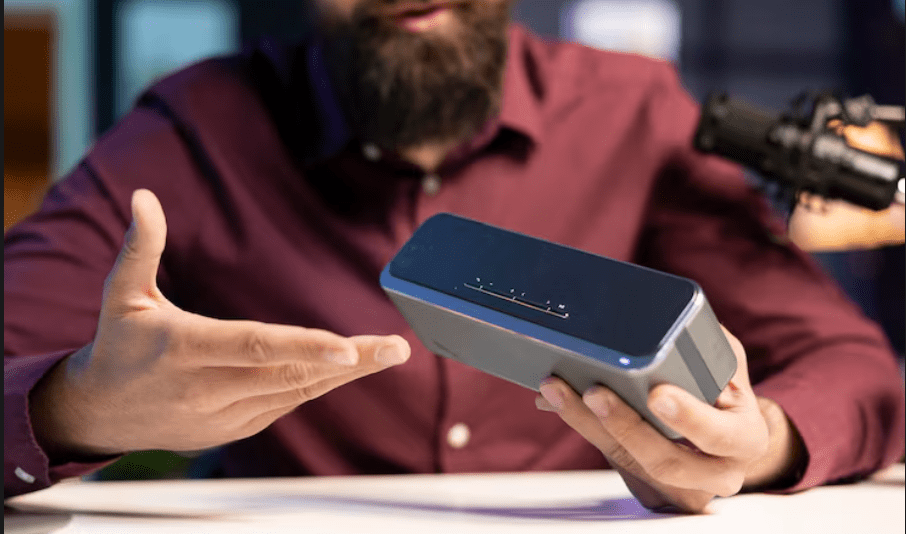
The second case, which is the older and more unusual one, comes next. The $95 million settlement addresses claims that Siri accidentally activated and recorded private conversations, which were occasionally shared with third parties, according to the lawsuit. Like most businesses when they settle, Apple denies any wrongdoing. Nevertheless, the course covers everything from iPads to MacBooks, HomePods, Apple Watches, and even the dusty iPod touch hidden in a drawer, going all the way back to September 2014. The deadline for filing is July 2025, and members may claim up to five devices. Payouts are limited to about $20 per device.
It’s difficult to ignore the pattern. Apple’s brand has been built around privacy for years, as evidenced by the clear billboards that read, “What happens on your iPhone, stays on your iPhone.” And yet here we have two settlements that revolve around the same small assistant, both of which raise issues that the business would obviously prefer not to address in public.
Depending on how many people file, buyers may eventually receive the full $95 or something closer to the original $25. Attorneys will receive a portion. Theirs will be taken by administrators. Pro rata, the courteous legal term for “we’ll see,” is used to divide what’s left. For the time being, the eligible iPhone owners wait, checking their inboxes, keeping an eye out for the postcard, and wondering if their trusted phone has been secretly defrauding them of money all along.⁖※
