


Count the cameras as you stroll down a street in London at dusk. Really, you can’t. There are too many of them; one estimate puts their number at 691,000, blinking silently over bus shelters and store awnings. The majority of those strolling beneath them don’t raise their heads. The part that sticks with me is that. The watching no longer qualifies as watching at all because it has become so commonplace.
For years, “smart city” has been marketed to us as a solution, just like most big ideas. Overfilling landfills, traffic, pollution, and energy waste. The pitch makes sense because cities generate the majority of the world’s carbon and consume between 60 and 80 percent of its energy. sewer sensors. Thinking streetlights. It sounds ridiculous to have a trash can connected to the internet, but it’s already commonplace. I don’t want to act as though there isn’t a real appeal here. By using software to handle its wastewater, South Bend, Indiana, a city of just 100,000 people, reportedly saved hundreds of millions of dollars. That is not insignificant. That’s a real city addressing a real issue.
Efficiency, however, has a way of showing up with an uninvited passenger. The network that makes your commute easier is also aware that you took it. It is increasingly aware of when, how frequently, and with whom. Using nothing more sophisticated than Facebook profiles and Bluetooth signals leaking from phones in their pockets, researchers working on a project called Cityware were once able to map the physical movements of about 30,000 people. That was a long time ago. Since then, the tools have not become any less intelligent.
There isn’t a single camera or sensor that bothers me. The drift is what it is. “Smart” streetlights were put in place in San Diego to study traffic flow—a neat, almost uninteresting civic objective. The video was then used by police to look into crimes. There was no vote on that. The public later learned that the streetlights had simply switched jobs one day. This is the pattern that keeps happening city after city: a technology that was first introduced for one small purpose subtly picks up a second, more significant one. It’s how the uninteresting turns into the significant without anyone noticing.
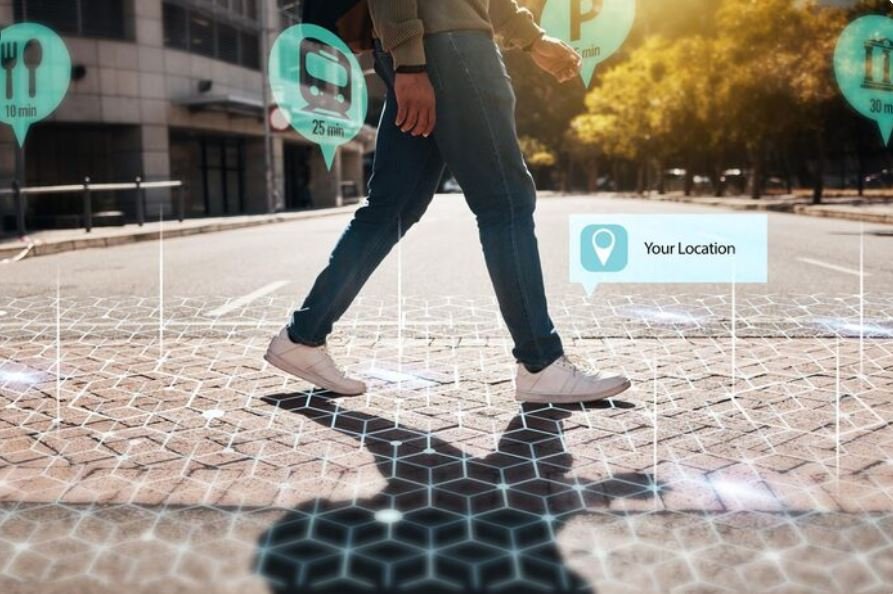
A more profound change is also taking place, which is more difficult to capture on camera. Within these cities, power shifts. It leaves the council chamber, where a vote can be cast, and enters the control room, where the data readers respond to no vote. In collaboration with IBM, Rio de Janeiro constructed an operations center that gathers real-time feeds from thirty agencies, including police, social media, weather, and cameras, into one room. The engineering is amazing. Additionally, it’s a concentration of knowledge that previous mayors could only imagine, and such dreams aren’t always benign.
Naturally, the burden is not distributed equally. The reality frequently favors those who already have the bandwidth, literacy, and new apartment in the redeveloped district, despite the promise of a city that works better for everyone. Minorities and older citizens are frequently completely excluded from the datasets; they are present in the city but not included in the model that governs it. A place cannot make plans for you if it cannot see you. Although it works similarly to a wall, that type of exclusion is more subdued.
I keep thinking about the term “a Trojan horse,” which some researchers used to describe how we welcome future catastrophes as remedies for current ones. Perhaps it’s too dark. It’s possible that the regulations are implemented before the harm worsens and the safeguards catch up. However, it’s difficult to avoid the impression that, streetlight by streetlight, we’ve been negotiating a fairly big deal in very small print. Cities are becoming more intelligent. In all honesty, it’s still unclear if they’re becoming wiser.
